Naperville Property Taxes: Rates, Calculations, and Buyer Tips


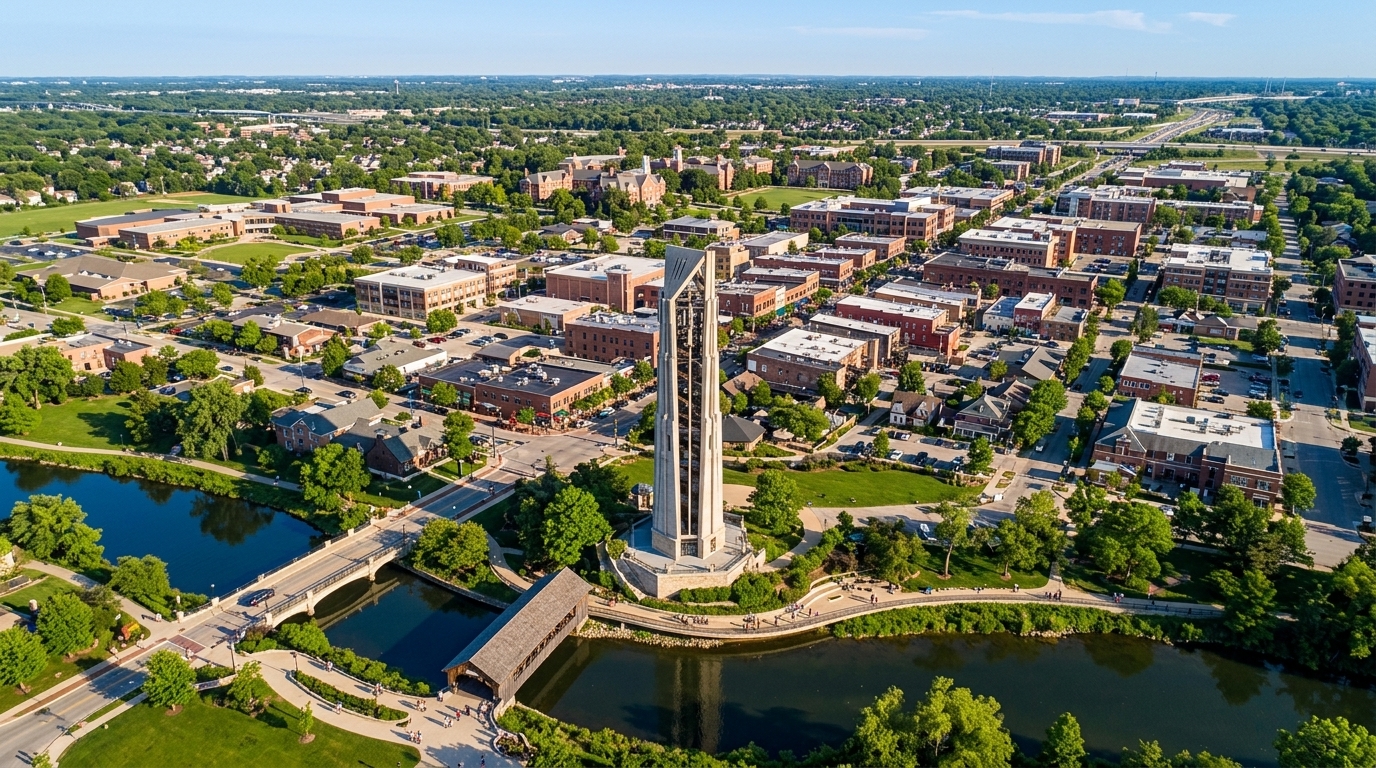
Naperville · Community Photo
Buying a home in Naperville means planning for ongoing costs like property taxes. These taxes fund local schools, roads, and services. This article covers how they work, current rates, and tips to manage your bill.
How Property Taxes Work
Property taxes in Naperville are local taxes on real estate. The county assessor values your home each year. Governments like the city, schools, and park district split the tax revenue.
Your tax bill equals the assessed value multiplied by the tax rate. Homeowners pay twice a year. Most use escrow to spread payments with their mortgage.
Average Property Tax Rates
The property tax rate in Naperville sits around 2.1% to 2.3% of your home's assessed value. This puts it a bit above the Illinois average but typical for DuPage County. For a $500,000 home, expect about $10,500 to $11,500 yearly.
Rates vary by year and location. School districts take the largest share, over 60%. Check the DuPage County site for the latest numbers.
How Property Taxes Are Calculated in Naperville
To find out how much property taxes are in Naperville, start with your home's market value. The assessor sets the equalized assessed value (EAV) at about 33.33% of that. Then multiply by the tax rate.
For example, a $600,000 home has an EAV of $200,000. At a 2.2% rate, the bill is $4,400. Local taxing bodies set rates based on their budgets.
Factors Affecting Your Tax Bill
Several things change your annual real estate taxes bill. Home improvements like additions raise the assessed value. New construction nearby can shift rates.
Exemptions help lower bills. Seniors over 65 get a freeze on EAV. Veterans and low-income owners qualify for reductions. Appeal your assessment if it seems too high; file by late November.
Market drops can lower values, too. Naperville's strong schools uphold values, so taxes stay steady.
Ways to Lower Your Taxes
Appeal your assessment if comps show lower values. Gather sales data from similar homes. The board reviews appeals.
Apply for exemptions early. Homeowners over 65 save thousands with the senior freeze. In some cases, disabled vets get full exemptions.
Pay on time to avoid late fees. Due dates are June 25 and December 10 for the second half. Discounts apply for early full payment.
Common Questions About Property Taxes
How Are Property Taxes Calculated?
Assessors use recent sales for market value. EAV is one-third of that. Multiply by the district rate for your bill.
When Are Property Taxes Due?
First installment due September 1, payable until June 25. Second due March 1, payable until December 10.
What Is the Average Property Tax Rate in Naperville?
Around 2.2%, but check DuPage County for your exact rate.
Property taxes in Naperville support great schools and parks that make the city special. Understand property tax rates and real estate taxes to budget right. Homebuyers who plan ahead enjoy the benefits without surprises.
Get more insights on homeownership costs on Life in Naperville. Have questions about buying in Naperville? Connect with Ruth Sheahan today.
Sources: calchubb.com, napervilletownship.com, smartasset.com, jvmlending.com Header Image Source: Jakub Żerdzicki on Unsplash