Historic Churches and Architectural Landmarks in Naperville, Illinois
Discover Naperville, Illinois, through its historic sanctuaries, former churches and civic landmarks. Start with Century Memorial Chapel and Saints Peter and Paul Catholic Church, then explore architectural details and plan a downtown walking sequence. Distinguish congregation histories from building histories, and check official sources before planning an interior visit.
Place
Category
What to notice
Visitor access
Century Memorial Chapel (Naper Settlement)
Former church; relocated historic museum building
Original stained-glass windows, traditional architectural details and hand-carved wooden pews.
Access depends on Naper Settlement operating hours, admission requirements and private rental schedules. Check with the museum before planning an interior visit.
Naperville Woman’s Club
Former church; adaptive-reuse civic landmark
Locally quarried limestone and historic stained-glass windows.
View the exterior from Washington Street. Interior access is generally limited to club events, private rentals or designated community open houses.
Saints Peter and Paul Catholic Church
Historic church; active Catholic parish
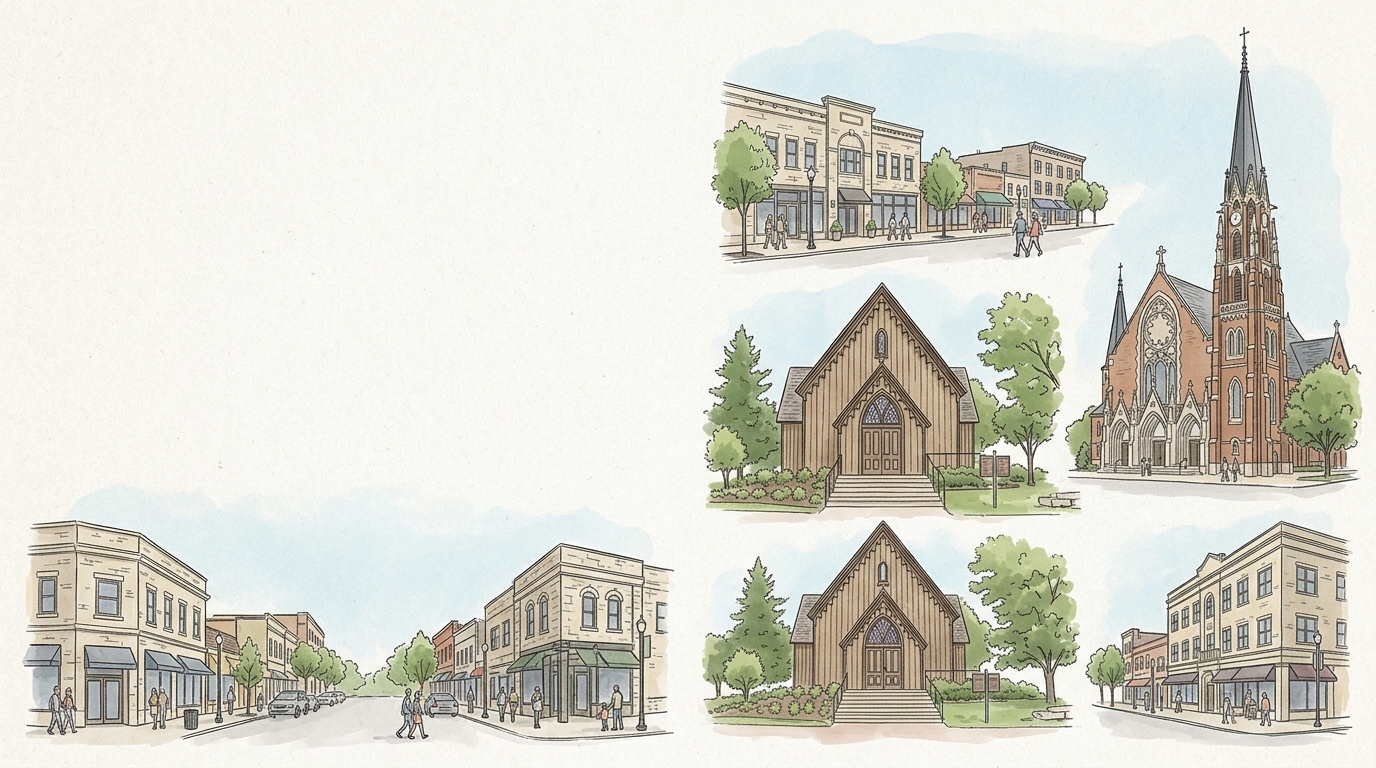
Soaring spires, pointed arches, elaborate stonework and traditional stained-glass windows.
Respect religious services and private parish events. Check official parish information before planning a visit.
Historic Church Buildings in Naperville
Saints Peter and Paul Catholic Church
Ellsworth Street, Naperville, IL 60540
This address is the site of an active Catholic parish, open for daily and Sunday Masses.
The parish continues to serve the community with regular sacraments and outreach programs.
Parish origins.The congregation was founded under the name St. Raphael’s and later adopted its present name.
Early worship spaces.Before the current structure existed, members gathered in earlier, modest buildings that served the community’s needs.
Fire and rebuilding.A fire destroyed the original stone church, and the present building was erected as its replacement; it is not the original edifice in which the parish first met.
This historical account is drawn from the parish’s Our Church resource.
Neo‑Gothicarchitecture greets visitors with red brick walls accented by limestone trim, and an east‑facing façade that features a pair of twin steeples. The pointed arches and steeply pitched roofs are hallmarks of the style that can be appreciated from the street.
Inside, stained‑glass windows—produced by theTyrol Art Glass Company of Innsbruck, Austria—present vivid religious scenes. One window illustrates theAscension of Christ, while another shows theAssumption of Mary. These interior artworks are not visible on an exterior walk‑by.
The parish’sOur Churchresource confirms these architectural and artistic details.
Current Use for Catholic Worship and Parish Ministry
Active Catholic parish churches serve as the primary centers for liturgical life, including the celebration of Holy Mass, the Sacrament of Penance (confession), and Eucharistic Adoration. They function as houses of prayer and working parish communities rather than secular museums.
Exterior Appreciation vs. Interior Access
Visitors are welcome to view church exteriors freely, but entering a working church requires checking the parish’s own published access arrangements and respecting any worship that may be in progress. Planning an interior visit should involve confirming current policies directly with the parish.
Key Liturgical Activities
Mass, confession, and Eucharistic Adoration are core components of parish life. Schedules for these activities vary by parish, so any visitor planning to attend should consult the parish’s own information for dates and times.
Guidance for Visitors
For the most accurate and up‑to‑date details, refer to the parish’s own announcements, bulletin, or website. Respect the sacred nature of the space and any ongoing liturgical celebrations.
Active Congregation in a Limestone Sanctuary
First Congregational Church of Naperville
25 E. Benton Avenue, Naperville, IL 60540
The congregation is presently affiliated with the United Church of Christ and maintains regular worship services at this historic location. Unlike several former church buildings in the area that have been converted to other uses, this structure continues to function as an active place of worship.
Origins of the congregation
The community began as the Presbyterian Church at DuPage, meeting in members’ homes and local schoolrooms before adopting Congregational rules. Early worship took place in informal settings such as private residences and classroom spaces.
Construction of the sanctuary
A modest frame church was erected first. Later, a limestone sanctuary was built; this stone structure is the one that survives today and should not be confused with the time of the congregation’s founding.
Later additions
A Parish Hall was added, and subsequent expansions were made to support growing programs and gatherings, occurring after the limestone sanctuary was completed.
Architectural Highlights of the Historic Limestone Sanctuary
Active Role and Visitor Guidance
The church remains a vibrant center for worship, offering regular in‑person services and online streaming, while also leading community outreach and social‑justice initiatives.
Participating in a worship service is separate from touring the building for its architectural features. Before planning an interior visit, please contact the church directly to learn about any access policies.
Exterior viewing is encouraged, but visitors should do so respectfully, keeping noise low and avoiding disruption to any ongoing services.
Stone Church Revitalized as a Community Clubhouse
German Evangelical People’s Church
Current owner and occupant:Naperville Woman’s Club
Address: 14 S. Washington Street, Naperville, IL 60540
This building was originally erected as a church; it is now a historic structure and does not house an active congregation.
German Evangelical People’s Church and the Literary Club
Old Stone Church Overview
Clubhouse and Rental Venue
The building serves as the club’s clubhouse and is available for rental events such as weddings, private gatherings, meetings, recitals, and community functions.
Interior access is limited to scheduled appointments, private rentals, or club activities and is not open for unrestricted sightseeing.
Visitors should arrange any interior access in advance by contacting the club and should be mindful of private events when viewing the exterior.
Details about the rental calendar are provided in the club’s informational materials.
Architectural Landmarks Beyond Naperville’s Churches
Museum Buildings
Naper Settlement brings historic buildings together in an outdoor museum setting. Many structures were relocated from elsewhere, so the campus offers a different experience from seeing buildings on their original sites. The Martin Mitchell Mansion, also known as Pine Craig, provides an example of Italianate architecture with Eastlake influences.
Plan for admission:Viewing the museum perimeter from a public street is not the same as entering its enclosed grounds. Campus and historic-building access requires paid museum admission; check Naper Settlement’s official visitor information for current admission details and building access before visiting.
The Original Library
The historic Nichols Library building on South Washington Street rewards a close look at its entrance. Its documented Richardsonian Romanesque design combines yellow-blonde brick with contrasting, rusticated limestone detailing. A broad stone arch emphasizes the slightly projecting central entrance, while a steep front gable rises above the shallow hipped roof.
This designated Naperville City Landmark is the former public library building, not the replacement library facility. Treat it as an exterior-viewing stop unless interior access is expressly confirmed; protection of its façade and foyer does not itself establish public entry.
Residential Streetscapes
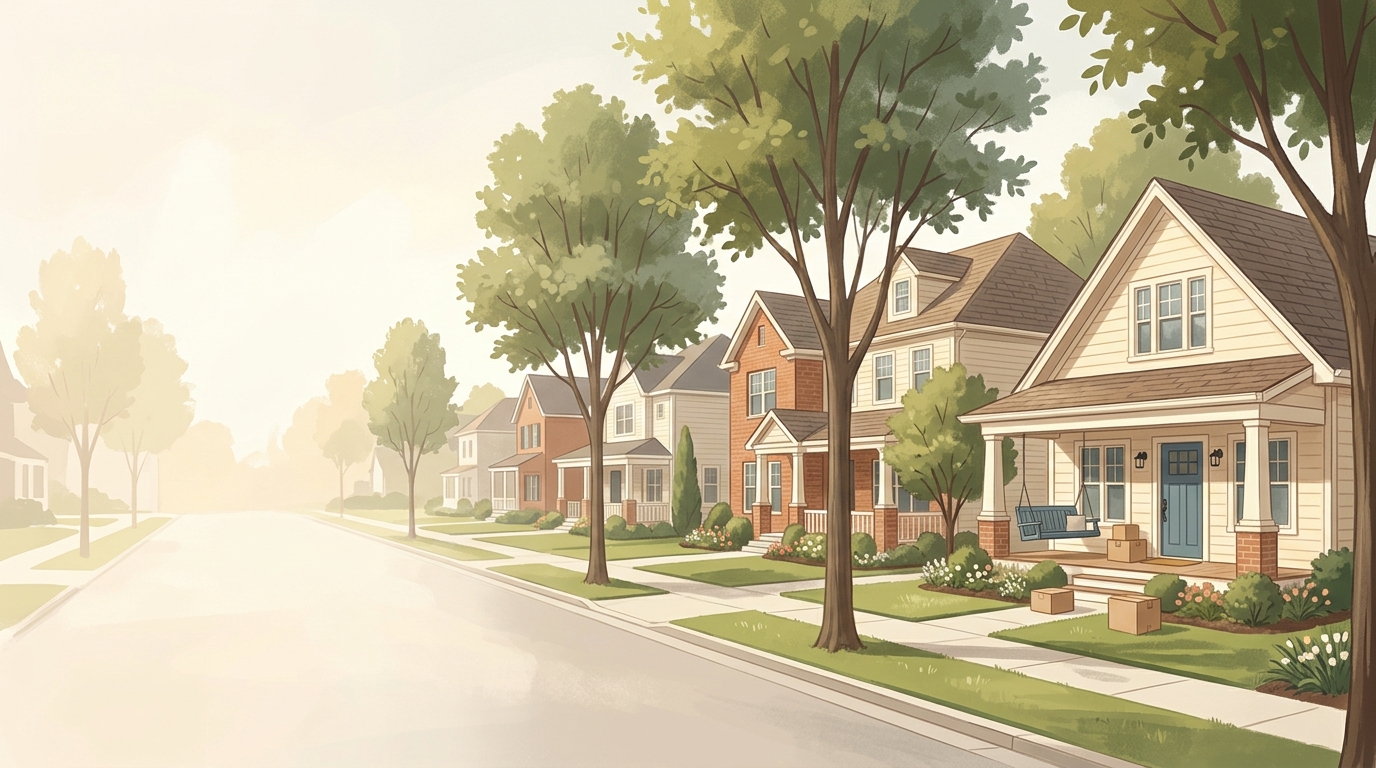
In the Naperville Historic District, look beyond individual showpiece houses to the rhythm of the streetscape: frame residences, masonry examples, changing rooflines and the relationship between neighboring buildings. Documented architectural influences include Greek Revival, Italianate, Queen Anne, Stick, Craftsman and Prairie School.
Chicago Avenue’s industrial-age mansions are locally known as “Quality Hill.” Enjoy residential architecture from public sidewalks and thoroughfares, keeping steps, porches and gardens private unless an organized open-house event explicitly permits entry.
A Modern Civic Landmark
The Millennium Carillon in Moser Tower, at the base of the Riverwalk’s Rotary Hill, belongs in a broader architectural visit—but it is a modern municipal landmark, not a historic church. Its tower form and bell instrument offer a contrast to the museum buildings, former library and residential streetscapes.
Separate exterior viewing from entry:Seeing the tower from outside does not confirm observation-deck access. Check official visitor information before planning an ascent.
Plan a flexible downtown architecture walk
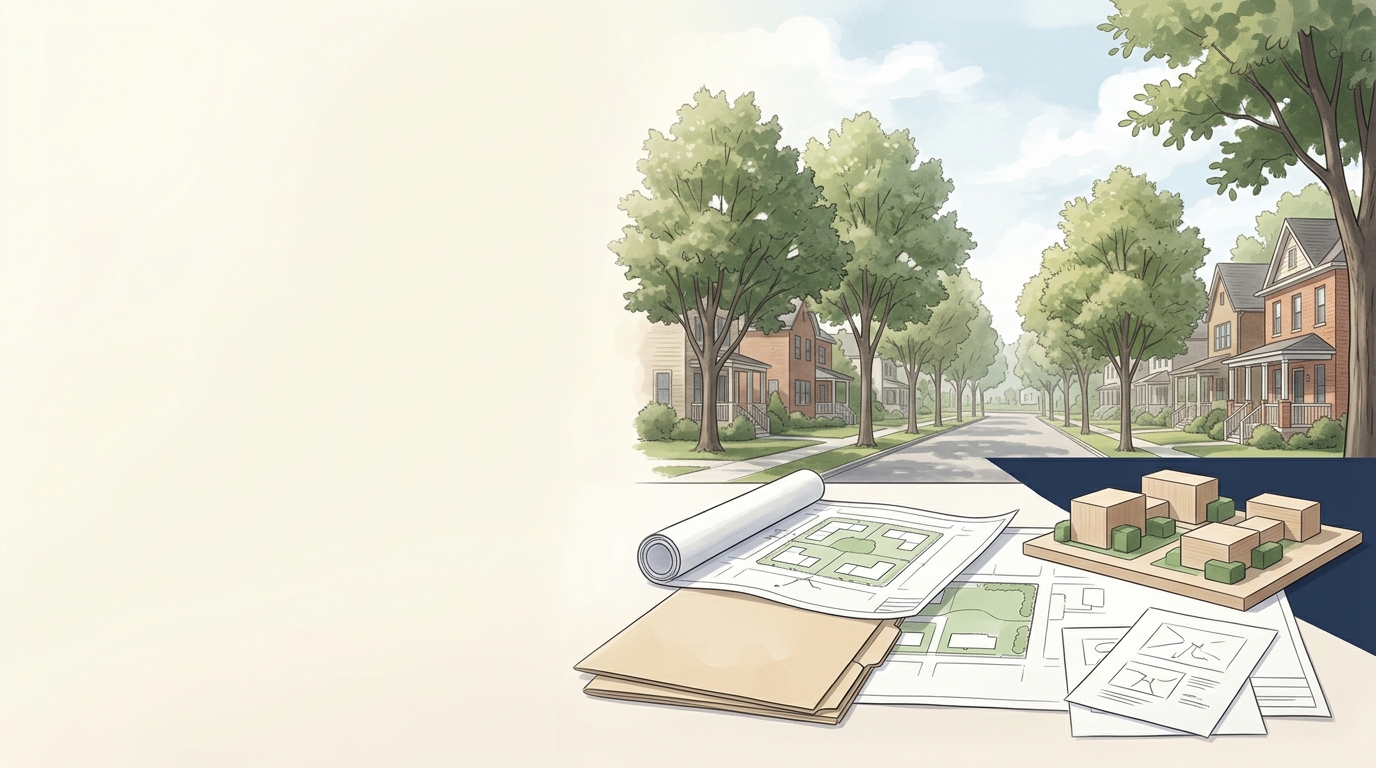
Keep your Naperville architecture walk flexible: shorten the route, change the order or skip a stop to suit your comfort. Stay on public sidewalks, use designated crossings and avoid blocking entrances while viewing buildings.
Check before entering.Treat private homes and active worship spaces as exterior-view stops unless official visitor information permits entry. Confirm museum admission arrangements directly, and ask churches about sightseeing access separately from religious-service attendance.
Confirm accessibility for your needs.Ask each venue about entrance steps, accessible routes, seating and restrooms before setting out. Check parking arrangements separately rather than assuming spaces or step-free access will be available.
Questions before you visit
Contact the congregation before planning an interior visit. Confirm visitor access separately from worship services, and ask about photography and any areas reserved for worship. An exterior sightseeing stop does not imply permission to enter.
Naper Settlement offers access to historic museum buildings through general admission and onsite tours, subject to closures. Check its current visitor information before planning around a particular interior.
Distinguish the age of a congregation from the age of its surviving building: a founding date is not a construction date. Also distinguish an active church from a former church building, and an architectural point of interest from a formally designated historic landmark.
Use the City of Naperville local landmark register and architectural survey to check a property's documented history and designation. Appearance alone is not a reliable way to decide whether a building is historic or newer.
Yes. Public sidewalks in downtown Naperville and the Naperville Riverwalk allow free, independent exterior sightseeing. Stay on public routes and respect private entrances and grounds.
The Naperville Convention and Visitors Bureau provides printable historical walking-tour brochures to help plan a route. Naper Settlement's self-guided virtual walking tour of its grounds is included with general admission; museum access is separate from a free public-sidewalk walk. Check registration requirements before choosing a guided tour.
Start with the City of Naperville's Your Place map and local landmark register. Consult the City's Architectural and Historical Survey for building history and its Historic Building Design and Resource Manual for help understanding architectural features.
For church buildings, compare those records with the congregation's own history. Look separately for the congregation's founding, construction of the present building, later alterations and changes of use. Confirm interior access directly with the current congregation or building operator.
Choose your stops, then check access
Pick a few buildings for an exterior walk, then confirm interior access directly with each congregation or site before setting out. Public-sidewalk sightseeing is separate from paid museum admission.
Consult the City of Naperville’s heritage resources for building history, Naper Settlement for museum access, and the Naperville Convention and Visitors Bureau for walking-tour brochures.
For more local stories and ideas, explore the Life in Naperville homepage.
Nov 12, 2026
Read More