What County Is Naperville, Illinois In: DuPage or Will?

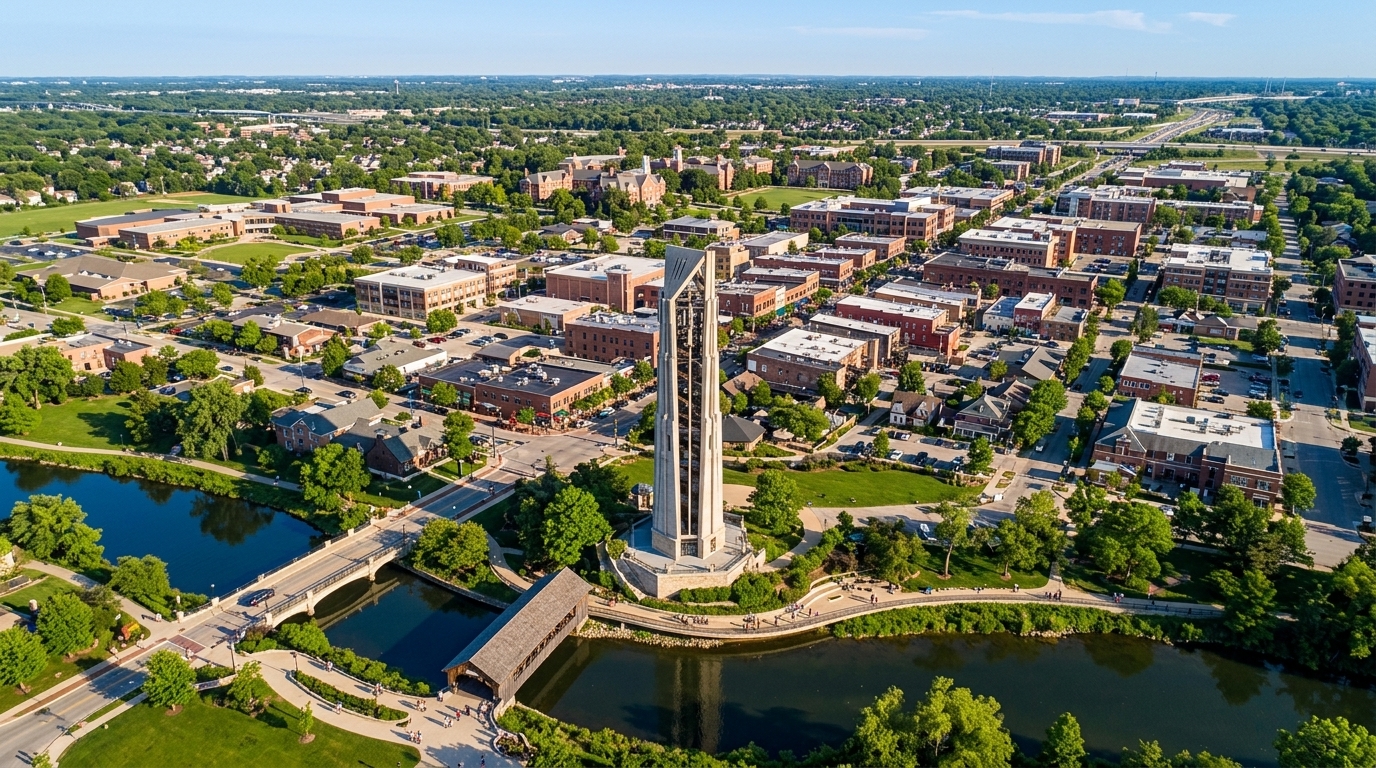
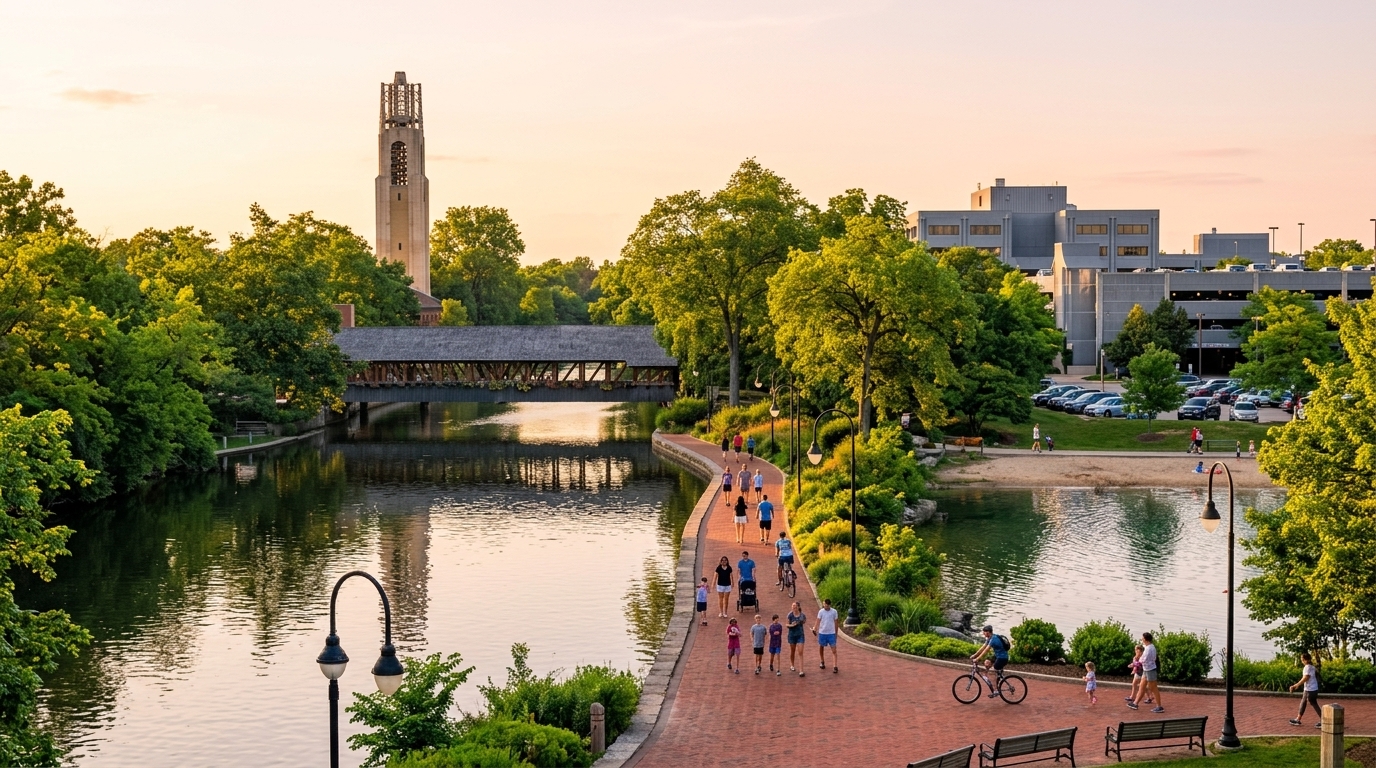
Naperville · Community Photo
Naperville spans both DuPage County and Will County, with 87th Street marking the general dividing line. Residents north of the street belong to DuPage, while those south fall under Will County. This dual‑county status influences property taxes, voter registration, and local services, helping you understand which jurisdiction applies to your home or business.
Dual‑County Overview
Naperville, Illinois straddles bothDuPage CountyandWill, making it a true dual‑county municipality. The city’s historic downtown and roughly two‑thirds of its residents sit north of 87th Street within DuPage, while newer master‑planned neighborhoods extend southward into Will.
Because the municipal footprint spans two counties, the questionwhat county is Naperville, Illinois in DuPage or Willoften surfaces for newcomers. The answer is simple: the city belongs to both, but the bulk of its population and core services are anchored in the DuPage side.
Homebuyers frequently encounter this split when reviewing listings or calculating property taxes. A prospective buyer may see a home listed under “Naperville, IL” without realizing that the tax rate, school district alignment, and county‑level services could differ depending on whether the address lies north or south of the dividing line.
For residents, the dual‑county status influences voter registration, court jurisdiction, and eligibility for certain county programs. Those on the DuPage side vote in DuPage elections and receive services from DuPage agencies, while neighbors just a few blocks away participate in Will County processes.
Understanding theNaperville, Illinois countyconfiguration helps avoid missteps and ensures that citizens engage with the correct local government entities. Recognizing which county governs a given parcel of land is essential for accurate tax filing, service requests, and community involvement.
Quick Facts: Naperville, Illinois County Details
Official answer: Naperville lies in both DuPage County and Will County, making it a dual‑county municipality.
Dividing line: The primary geographic marker is 87th Street. Areas generally north of 87th Street fall within DuPage County, while locations south and southwest of the street belong to Will County.
County seats: Residents in the DuPage portion receive services from Wheaton, the DuPage County seat. Those in the Will portion are served by Joliet, the Will County seat.
ZIP codes covering the city include 60540, 60563, 60564, and 60565.
Takeaway for anyone askingis Naperville in DuPage or Will county: Both apply. When filing taxes, registering to vote, or contacting county officials, verify which side of 87th Street your address occupies to determine the correct jurisdiction.
For broader context, the city’s dual‑county status also influences school district boundaries, emergency services, and property tax rates, all of which align with the underlying county.
Naperville County History: DuPage Seat to Two-County City
Founding Along the DuPage River
Naperville’s county history begins in July 1831 when Captain Joseph Naper, his brother John, and fellow pioneers arrived by schoonerTelegraphand settled the banks of the DuPage River about thirty miles west of Chicago. The settlement, originally called Naper’s Settlement, grew around Naper’s lumber mill, which provided timber, water power, and feed for livestock. This early community laid the groundwork for the town that would later straddle two counties.
Original DuPage County Seat
When the Illinois General Assembly split DuPage County from Cook County on February 9 1839, Naperville was designated the original DuPage county seat. Residents contributed roughly $5,000 to erect a two‑story frame courthouse on a public square along Washington Street, and a quit‑claim deed for the property was recorded on June 17 1839. This episode defines the naperville dupage county seat history and cemented the town’s early governmental role.
Contested Election and Transfer
Growth along the Chicago and Galena Union Railroad spurred Wheaton’s ambitions, leading to a decisive referendum in 1867. Voters narrowly chose Wheaton as the new county seat by a margin of 1,686 to 1,635. The ensuing conflict carried into 1868 when Civil War veterans and Wheaton supporters staged a midnight raid on the Naperville courthouse to seize county records. Those documents later suffered loss in the Great Chicago Fire of 1871, reinforcing Wheaton’s status as the permanent county seat.
Suburban Expansion Into Will County
Rapid suburbanization during the 1980s and 1990s pushed Naperville’s limits southward, crossing the widely recognized dividing line of 87th Street. This expansion extended the municipal boundary into Will County, creating today’s multi‑county city. Residents often wonderwhat county is Naperville Illinois in Dupage or Will, and the answer reflects the city’s historic growth from a single‑county seat to a dual‑county municipality.
Naperville County Boundary: 87th Street Naperville County Line
County Boundary Along 87th Street
TheNaperville County boundaryfollows 87th Street through the heart of the city. North of the 87th street Naperville County line lies DuPage County, while the land south of that same road belongs to Will County. This clear north‑south split helps residents determine which county services they receive, from property‑tax billing to court jurisdictions.
North‑South Thoroughfares That Cross the Line
Several major arterial roads weave across the dividing line, creating a seamless travel experience despite the jurisdictional change. Washington Street runs directly over the boundary, serving as a reference point for many local maps. Plainfield‑Naperville Road meets 87th Street before continuing south as Will County Highway 14, linking the two sides of town. Illinois Route 59 cuts through the central corridor, intersecting the line as it heads toward both suburban and downtown destinations. Book Road also traverses the area, providing access to residential neighborhoods on either side of the county split.
Naperville Townships
Below the county level, the city is divided into six distinct townships, each responsible for specific local services and governance. TheseNaperville townshipsreflect the city’s dual‑county reality and are arranged as follows:
Naperville Township – DuPage County residents north of 87th Street and west of Washington Street.
Lisle Township – DuPage County residents north of 87th Street and east of Washington Street.
Wheatland Township – Will County residents west of Washington Street, south of 87th Street.
DuPage Township – Will County residents east of Washington Street, south of 87th Street.
Winfield Township – A small portion in the far northwest of the city.
Milton Township – A small number of properties in the northeast corner.
Understanding this layered structure answers the common query,what county is naperville illinois in dupage or will, by showing how both counties and six townships coexist within the community.
Township Name | County | Geographic Area in Naperville | Key Landmarks / Corridors |
|---|---|---|---|
Naperville Township | DuPage County | Residents of DuPage County who reside north of 87th Street and west of Washington Street, as defined by the county boundaries. | Naper Settlement; Naperville Riverwalk; DuPage Children’s Museum; Historic District/Downtown Core; Corridors: Washington Street, Ogden Avenue (US‑34), I‑88 (West Study Area) |
Lisle Township | DuPage County | Residents of DuPage County who reside north of 87th Street and east of Washington Street, following the county boundaries. | Morton Arboretum (nearby/regional); Four Lakes; Corridors: Washington Street, Naperville‑Lisle Road, I‑88 (East Study Area) |
Winfield Township | DuPage County | A small portion of far‑northwest Naperville within the county boundaries. | Blackwell Forest Preserve; Winfield Mounds Forest Preserve; Corridors: Geneva Road, Winfield Road |
Milton Township | DuPage County | A small number of properties on the northeast edge of Naperville, delineated by the county boundaries. | Cantigny Park; Danada Forest Preserve; Corridors: Butterfield Road (IL‑56), Naperville Road |
Wheatland Township | Will County | Residents of Will County who reside west of Washington Street, as set by the county boundaries. | Thomas Clow House (Historic Landmark); Corridors: Route 59, 95th Street, 111th Street |
DuPage Township | Will County | Residents of Will County who reside east of Washington Street, defined by the county boundaries. | Frontier Park (portions); Corridors: Weber Road, Boughton Road, 135th Street |
Naperville Property Taxes: DuPage County vs Will County
Naperville Property Taxes: DuPage vs. Will County Comparison
BothDuPage CountyandWill Countyrely on their local township assessors to determine the market value of every residential and commercial property each year. The assessment process begins in early spring when assessors visit each parcel, review recent sales, and apply standardized formulas to arrive at a fair estimate. Property owners receive a notice of the assessed value, which serves as the basis for the upcoming property tax bill.
In Naperville, the assessment is performed by the appropriate township depending on which side of the city line the property sits. If the address falls within the DuPage portion, the DuPage township assessor handles the valuation; if it lies in the Will portion, the Will township assessor takes responsibility. This dual‑county arrangement ensures that every homeowner receives an accurate, locally‑calibrated figure. If you ever wonder what county is naperville illinois in dupage or will, the answer depends on the side of the city you reside in.
Each year, the completed assessments are compiled into a tax bill that the county treasurer mails out in late April. The bill details the total amount owed, breaks down the various levies, and specifies two payment deadlines. The first installment is due on June 1, and the second follows on September 1. Paying on time avoids penalties and interest, and many residents set up automatic withdrawals to meet the schedule.
Understanding the timeline helps property owners plan their finances. By reviewing the assessment notice promptly, you can contest any discrepancies before the filing deadline. Once the bill arrives, simply follow the payment instructions and keep a copy for your records. This routine repeats annually, providing a predictable cycle for budgeting property taxes in bothDuPage CountyandWill County.
DuPage County vs Will County Naperville | ||
|---|---|---|
Side‑by‑side comparison of key tax‑related details for Naperville and surrounding areas, including assessment cycle (annual), township assessor role, treasurer billing date (late April), installment due dates (June 1, September 1), and interest rate on late payments (1.5% per month) | ||
Feature / Detail | DuPage County | Will County |
Assessment Cycle | Annual (based on a rolling 3-year statistical analysis of sales) | Annual (utilizes a 3-year study of prior market sales; e.g., 2026 assessments use 2023–2025 sales data) |
Township Assessor Role | Local township assessors evaluate and determine initial property values/assessments, which are reviewed by the Supervisor of Assessments | Local township assessors establish initial property values (fair market value/EAV), operating under the Will County Supervisor of Assessments |
Treasurer Billing Date | Late April / early May (typically mailed during the last week of April of the year following the assessment year) | May 1 (typically issued in May of the year following the assessment year) |
1st Installment Due Date | June 1 | June 1 |
2nd Installment Due Date | September 1 | September 1 |
Interest Rate on Late Payments | 1.5% per month (per Illinois State Statute) | 1.5% per month (per Illinois State Statute) |
DuPage County vs Will County Naperville Court Comparison
Naperville property owners should know that their legal matters may be handled by two different circuit courts, depending on the location of their land. If the parcel sits east of 87th Street, the case will be assigned to the 18th Judicial Circuit in Wheaton, which serves DuPage County. When asking what county is naperville illinois in dupage or will, the answer depends on which side of 87th Street the property lies. Parcels west of 87th Street fall under the 12th Judicial Circuit in Joliet, covering Will County. Each court deals with similar residential and commercial disputes but operates from a separate courthouse.
The dividing line of 87th Street is a practical boundary for judges, clerks, and attorneys, ensuring each case proceeds in the correct venue. Homeowners, developers, and businesses often discover this split when filing a deed, pursuing a zoning change, or responding to a lawsuit. Knowing which circuit applies can save time and lower filing fees, because each court has its own forms, deadlines, and procedural rules.
Residents unsure which side of the street their property occupies can consult a recent tax map or contact the local assessor’s office. In many cases the address appears in the parcel’s legal description, offering a clear answer. Understanding the split between DuPage and Will jurisdictions helps Naperville owners navigate the legal system more efficiently and avoid the confusion that arises from assuming a single county handles all matters.
living in naperville dupage vs will | |
|---|---|
Category | Will County |
County Seat | Joliet, IL |
Circuit Number | 12th Judicial Circuit (Twelfth Judicial Circuit) |
Courthouse Address | Will County Courthouse |
Circuit Clerk Phone & TTY | Phone: (815) 727-8592 |
Primary E‑Filing Process | Mandated statewide via eFileIL using certified Electronic Filing Service Providers (EFSPs)—such as Tyler Technologies (Odyssey eFileIL)—accessible online or via local kiosks located in the Will County Law Library and Circuit Clerk’s Office. Certified EFSPs enable attorneys and self‑representing parties to file civil, criminal, and family law documents 24/7 across the state. |
Jury Duty Process | Names are drawn randomly from a combined list of drivers, registered voters, State ID, and disabled person ID cardholders. Prospective jurors initially receive a Juror Qualification Questionnaire to complete within 10 days. If qualified, a Summons for Jury Service is issued. Jurors use an automated telephone reporting system (815‑727‑8930 or 888‑505‑8938) or the official website www.willcountyijuror.com with their 6‑digit ID and electronic signature number to check individual reporting instructions. All processes comply with Illinois Supreme Court Administrative Order 2022‑06. |
DuPage County vs. Will County: Naperville Voting & Elections
Voter registrationin the Naperville area follows separate rules depending on whether a residence sits north or south of 87th Street.North of the linefalls within the jurisdiction of DuPage County, where the elections office is led by ClerkJean Kaczmarek. South of the line belongs to Will County, overseen by ClerkLauren Staley Ferry. Residents in each sector must use the registration forms and deadlines prescribed by their respective county, because the underlying databases are not shared across the boundary. If you have ever wonderedwhat county is Naperville illinois in DuPage or Will, the answer hinges on the property’s position relative to 87th Street; the same street can place two neighbors under different clerks, different filing portals, and distinct verification procedures.Polling locationsare assigned by the same north‑south rule. Voters living north of 87th Street receive a ballot‑drop box and a designated precinct that is part of the DuPage system, while those south of the street are directed to a Will County site that may differ in address, hours, and accessibility features.Ballot handlingalso varies: DuPage County employs a electronic‑tabulation method overseen by Clerk Kaczmarek, whereas Will County relies on a hybrid process managed by Clerk Ferry that includes manual scanning of some paper ballots. Because of these distinctions, it is essential for each voter to confirm their county assignment before an election, double‑check the location of their assigned polling place, and follow the specific instructions provided by the appropriate clerk’s office.
Understanding the split at 87th Street helps avoid confusion, ensures compliance with local rules, and contributes to a smoother voting experience for every resident in the region.
Living in Naperville DuPage vs Will | ||
|---|---|---|
Election Detail | DuPage County | Will County |
Election Authority | DuPage County Clerk | Will County Clerk |
Clerk Name | Jean Kaczmarek | Annette Parker |
Standard Polling Hours | 6:00 a.m. – 7:00 p.m. | 6:00 a.m. – 7:00 p.m.(Standard Illinois statutory polling hours) |
Early‑Voting Options | Available at multiple designated early voting locations (e.g., 24 locations for standard major elections) and in‑person at the election authority office. | Available at the office of the election authority (Will County Clerk's Office) and designated temporary/satellite early voting locations. |
Primary Contact Phone Number | 630‑407‑8904(Per component brief)/ General Election Division: 630‑407‑5600 | 815‑727‑8592(Per component brief)/ General Clerk Office: 815‑740‑4615 |
DuPage County vs Will County Naperville: Preserves & Services
Naperville homeowners often turn to the Forest Preserve District of DuPage County for easy access to walking trails, picnic shelters, and nature programs.The DuPage preserve systemmaintains more than 30,000 acres of woodland, prairie, and wetland that border the city’s northern neighborhoods, offering residents a convenient outlet for outdoor recreation without leaving the community.
When a residence lies on the western side of the city, many families rely on the Forest Preserve District of Will County instead. The Will preserve network includes multiple lakes, sports fields, and conservation areas that are managed independently from DuPage, providing a distinct set of amenities tailored to the county’s own planning priorities.Both preserve districtscoordinate with local municipalities to ensure that trailheads and parking areas remain safe and well‑maintained for Naperville citizens.
Each county also operates its own health department, meaning that public health services, disease reporting, and environmental health inspections are administered separately by DuPage County Health Department and Will County Health Department. Consequently, residents may receive different guidance on issues such as water quality, mosquito control, and food safety depending on which side of the city line they occupy.
Property ownership records are filed with the county recorder’s office that corresponds to the parcel’s location. If a home is situated in the DuPage portion of Naperville, its deed, mortgage, and lien documents are recorded in the DuPage County Recorder’s Office; a property on the Will side follows the same process through the Will County Recorder’s Office. This division of record‑keeping ensures that title searches and ownership verifications reflect the appropriate jurisdiction.
Living in Naperville DuPage vs Will | ||
Service Detail | DuPage County | Will County |
|---|---|---|
Forest Preserve Acreage | Nearly 25,000 acres | Nearly 24,000 acres |
Number of Preserves | 60+ preserves | 70–80 preserves |
Trail Mileage | Nearly 140 miles of trails | 116–135 miles of trails |
Establishment Year | 1915 | July 25 1927 |
Health Department Contact | 111 N. County Farm Road, Wheaton, IL 60187 – 630‑682‑7400 | 501 Ella Avenue, Joliet, IL 60433 – 815‑727‑8480 |
Recorder’s Office Notes | Digital records begin March 16 1961; full digitization March 1 2025. Standard fee $86 (includes $31 GIS, $10 storage, $26 recording, $18 housing support, $1 property). | Processes deeds, mortgages, liens, plats, releases; documents indexed within 5 days; online search via AvaWeb and Tapestry/Laredo. |
Why the 87th Street boundary matters
If you ask what county is naperville illinois in dupage or will, the answer hinges on the precise location of your home relative to 87th Street.
Residents north of 87th Street belong to DuPage County, which manages nearly 25,000 to 26,000 acres of forest preserve land, offering 166 to 175 miles of trails across 60 separate preserves and welcoming more than 5.5 million visitors each year.
The DuPage County Health Department serves these neighborhoods from the Linda A. Kurzawa Community Center at 111 N. County Farm Road in Wheaton, with additional public‑health locations in Addison and Westmont providing convenient access to immunizations, inspections and wellness programs.
Across the street, residents in Will County benefit from a distinct trail system managed by the Forest Preserve District of Will County, which provides extensive recreational pathways and connects to regional greenways.
Will County’s health services are anchored at 501 Ella Ave. in Joliet, while the Northern Branch Office in Bolingbrook (323/391 Quadrangle Dr.) handles community health needs for the border area.
Because vital records, property recordings and local ordinances are administered separately, homeowners must file deeds, birth certificates or building permits with the DuPage County Recorder’s Office when north of 87th Street, but with the Will County Clerk’s Office when south, ensuring compliance with the correct jurisdiction.
Understanding this split helps neighbors choose the appropriate park for hiking, know where to obtain health‑department services, and avoid processing delays by directing paperwork to the proper county agency.
Naperville Schools County Boundary & City vs County Services
School Districts
Naperville is served by two public districts—Naperville Community Unit School District 203 and Indian Prairie School District 204. Because the naperville schools county boundary runs through the city, enrollment is decided by the district’s attendance map, not by whether a home sits in DuPage or Will County. The naperville 203 vs 204 county lines each cross the county divide, so students attend the same schools regardless of the county line.
Municipal Services
All city‑provided services operate uniformly for every resident inside the municipal limits. The Naperville Police Department, Naperville Fire Department, city‑administered water and electric utilities, and the contracted trash‑and‑recycling collection serve neighborhoods on both sides of the county line. This illustrates that naperville city services vs county services are delivered by the city, not by DuPage or Will County agencies.
Library and Parks
The Naperville Public Library system and the Naperville Park District manage facilities and programs for the entire community. Their operations, including the extensive park network and library branches, are independent of county boundaries and are funded through city allocations.
County‑Level Effects
Property tax rates and assessment jurisdictions differ between DuPage County and Will County, affecting the amount owed on a home.
Voter registration is processed by the county election office that corresponds to the property’s county.
Jury duty summons are issued by the courthouse in Wheaton for DuPage residents and by the courthouse in Joliet for Will residents.
County recorder and clerk filings—such as deeds, mortgages, and vital records—must be filed in the county where the property or event is located.
Naperville County FAQ: How to Find My Naperville County
Naperville spans two counties—DuPage and Will. Approximately two‑thirds of the city sits in DuPage, with the remaining third in Will. This dual‑county status directly answers the common query what county is naperville illinois in dupage or will.
The city’s six townships—Lisle, Milton, Naperville, and Winfield in DuPage; DuPage and Wheatland in Will—reflect that split.
In south‑central Naperville, 87th Street serves as the primary east‑west dividing line. Areas north of 87th Street fall under DuPage County, while those south belong to Will County. This clear marker helps residents identify their county jurisdiction.