What Is the Weather Like in Naperville IL? Four Season Climate Guide
Naperville, Illinois, has a humid continental climate, with warm-to-hot, humid summers and freezing winters. Explore rainy spring transitions, colorful autumn days, and practical s...

Naperville · Community Photo
Naperville, Illinois, has a humid continental climate, with warm-to-hot, humid summers and freezing winters. Explore rainy spring transitions, colorful autumn days, and practical seasonal tips for enjoying local life and preparing your home.
What is the weather like in naperville il four season climate guide– Naperville sits in a humid continental zone (Köppen Dfa), delivering pronounced seasonal shifts and a lively outdoor calendar.
Thenaperville climate guidehighlights a mean annual temperature of 10.1 °C (50.2 °F), with lows around 4.5 °C (40.1 °F) and highs near 15.5 °C (59.9 °F). Year‑round precipitation averages roughly 1,010 mm (about 40 in), while snowfall totals about 30 in each winter. Over 2,530 sunshine hours illuminate the city, especially in July.
A quicknaperville weather overviewof the four seasons:
Spring (Mar‑May): Temperatures climb from chilly March to pleasant May (averages near 21.8 °C / 71.2 °F). May brings the peak of rainfall and occasional thunderstorms.
Summer (Jun‑Aug): July highs reach roughly 85 °F (29 °C) with midsummer lows in the mid‑60s °F. High humidity and afternoon storms are common.
Fall (Sep‑Nov): September still feels warm (highs ~75 °F), cooling to November lows around 30 °F. First frosts appear mid‑October, and foliage colors peak by mid‑October.
Winter (Dec‑Feb): Freezing mornings dominate, with January averages dipping below 0 °F. Snowfall is steady, averaging 30 in, and winds hover near 11 mph.
For residents and newcomers seeking deeper detail, the lifeinnaperville.com portal offers expanded articles, seasonal activity ideas, and practical tips for thriving throughout the year.
Naperville’s Monthly Temperatures, Rain and Snow
Month | Average high (°F) | Average low (°F) | Precipitation (inches) | Average snowfall (inches) |
|---|---|---|---|---|
January | 32 | 16 | 2.0 | 9.9 |
February | 36 | 19 | 2.0 | Approximately 8.5 |
March | 48 | 28 | 2.5 | Approximately 3.3 |
April | 60 | 38 | 3.9 | Approximately 0.7 |
May | 72 | 49 | 4.7 | 0.0 |
June | 81 | 59 | 4.5 | 0.0 |
July | 85 | 63 | 4.3 | 0.0 |
August | 83 | 62 | 4.4 | 0.0 |
September | 76 | 54 | 3.2 | 0.0 |
October | 63 | 42 | 3.5 | 0.0 |
November | 49 | 31 | 2.7 | Approximately 1.0 |
December | 37 | 22 | 2.2 | Approximately 7.0 |
Naperville, Illinois • Climate guide
Naperville’s Climate Through the Year
Monthly temperature averages and precipitation patterns
Temperature through the year
From winter lows to summer highs
January: coldest monthly averages
Spring: temperatures climb steadily
July: average high peaks at 85°F
Autumn: temperatures decline toward winter
Precipitation across the seasons
A late-spring precipitation peak
Includes rain and the liquid equivalent of frozen precipitation.
Month / Precipitation (inches)
May: highest monthly precipitation at 4.7 inches
January and February: lowest monthly precipitation at 2.0 inches each
Late spring and early summer bring the precipitation peak.
Annual snapshot
Total precipitation
≈ 40 inchesApproximately, annually
Total snowfall
≈ 30 inchesApproximately, annually
Snow is concentrated in winter, with additional snowfall in late autumn and early spring.
Spring in Naperville: From Chilly Thaws to Blooms
Spring weather in Naperville IL shifts from chilly thaws to warmer days and blooms along the Riverwalk. Freezing nights can linger early in the season, while increasing rainfall makes waterproof footwear useful well into spring.
From Chilly Mornings to Warm Afternoons
Naperville spring temperatures rise steadily, but average daytime highs tell only part of the story. Cooler nights mean layers remain useful even as afternoons become comfortable outdoors.
March:Average highs reach 47°F, with lows around 31°F. Wear a wind-resistant coat and waterproof boots for cold mornings and muddy ground.
April:Average highs climb to 59°F, while lows reach 41°F. A waterproof shell over removable layers helps with showers and changing temperatures.
May:Average highs reach 71°F, with lows around 51°F. Light jackets or sweaters suit cooler mornings and evenings.
These monthly averages describe the seasonal pattern, not the conditions for a particular outing. Check the forecast before choosing clothing or planning time outside.
Rainfall and Mud Season
Average precipitation increases from2.14 inches in Marchto3.49 inches in Apriland4.00 inches in May. Warmer weather does not necessarily mean drier weather: May is among the wetter months.
Thawing frost and spring rain create muddy conditions before the landscape fully greens up. For walks and outdoor chores, choose footwear that can handle wet ground. Stick to established paths rather than cutting across soft planting beds or muddy trail edges.
Blooms Along the Riverwalk
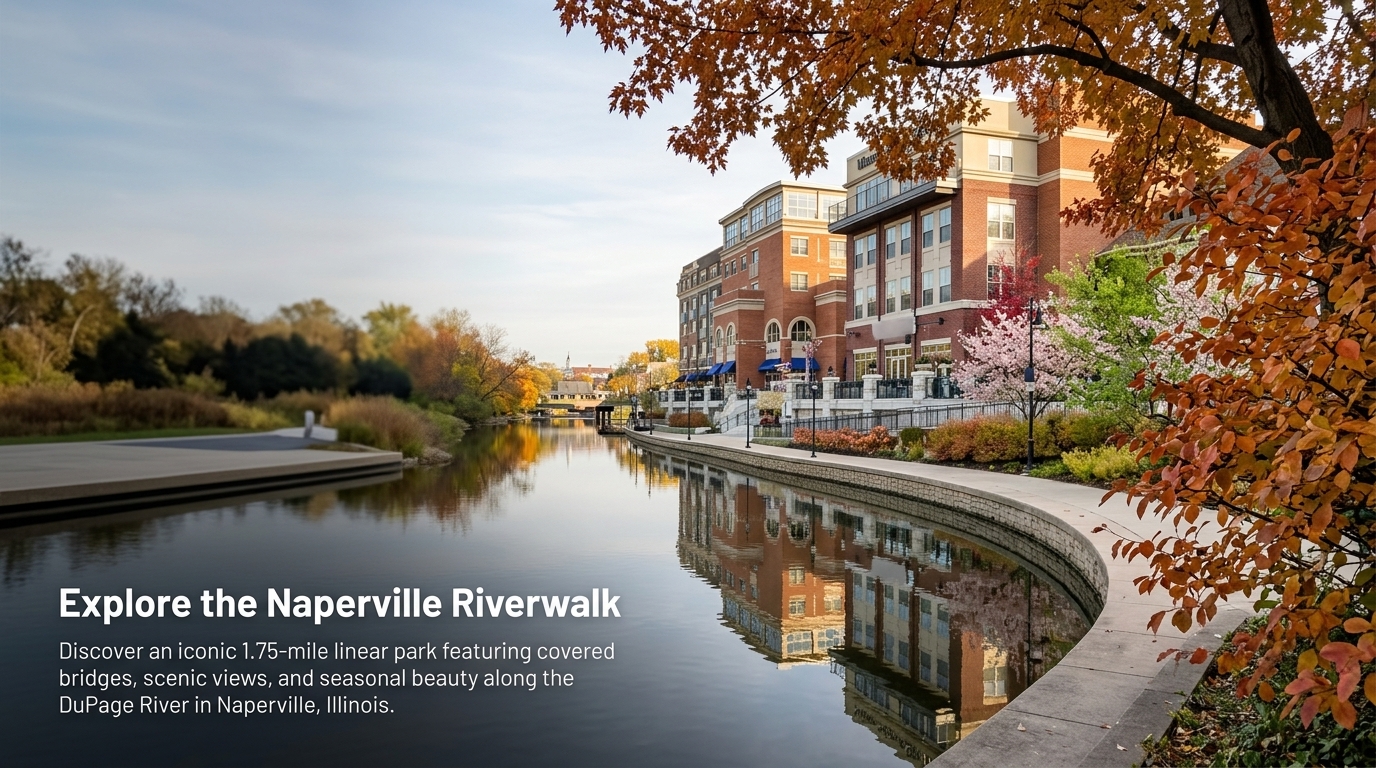
Tulips bring spring color to Main Street and the brick-paved paths of the Naperville Riverwalk beside the DuPage River. As the season warms, a stroll here offers a way to enjoy the transition from thawing ground to blooming plantings.
For woodland flowers, explore Knoch Knolls Nature Center & Park. Its native spring ephemerals includeVirginia Bluebells, Trillium, and Jack-in-the-Pulpit. Keep your visit flexible around rain and trail conditions, and enjoy the flowers without picking them.
Dress for Changing Conditions
Build your spring wardrobe around removable layers rather than switching straight from winter coats to summer clothes. Keep rain protection handy, pair muddy-day outings with waterproof boots, and carry a light jacket as afternoons warm. That approach works for both a Riverwalk stroll and time spent getting the yard ready for the growing season.
Early Spring Thaw and Maple Sugaring in Naperville
Early spring in Napervilleoffers a striking dance between night‑time freezes and daytime warmth.
During March and April, temperatures can dip below 30°F after sunset, only to climb into the 50‑60°F range by mid‑day, creating clear, crisp mornings followed by gentle, sun‑lit afternoons.
These rapid temperature swings are a boon for maple trees.The freeze‑thaw cycle triggers the rise of sap, as the cold nights cause sap to contract and the warmer days expand it, encouraging a steady flow that is essential for early‑season syrup production.
When the ground thaws, the streets and lawns become notably soggy.The melting snow and lingering frost combine with spring rains, leaving mud‑softened pathways and variable footing that can change from dry to slick within hours.
This moisture‑rich environment also means that outdoor activities must be planned with flexibility, as conditions may shift quickly from pleasant to muddy or even briefly icy before fully settling into the true warmth of late spring.
Maple Sugaring Days
At Naper Settlement, the historicMaple Sugaring Daysoffer a seasonal learning experience that recreates 19th‑century sugar‑making traditions.
Tree Tapping Demonstrations
Museum educators show how early settlers tapped maple trees, including the proper way to drill a hole and insert a tap.
Visitors watch the tapping process and learn why freezing nights followed by warm days are essential for sap flow.
Hands‑on opportunities let participants try drilling a tree and handling a wooden yoke and bucket.
Log House Sap Boiling
In the Log House building, staff demonstrate boiling sap to produce maple syrup and maple sugar, illustrating the labor‑intensive process used by settlers.
Live boiling shows the transformation from clear sap to thick syrup.
Guests can sample the finished maple products during the demonstration.
Heritage Activities Across Campus
Various campus sites add depth to the Maple Sugaring Days:
Print Shop– Spring‑themed bookmarks are available for visitors.
Martin Mitchell Mansion– Programs focus on spring cultural festivities linked to maple sugaring.
Meeting House– Live 19th‑century music performed by groups such as The Battlefield Balladeers, accompanied by presentations on Native American maple sugaring techniques.
Grounds/Strolling– Attendees can sample maple treats, practice drilling a tree, and experience carrying a wooden yoke and bucket.
Pre‑Emption House Visitor Center– Historically partnered with community groups like the Riverwalk Quilters Guild.
Early Spring Outing Checklist
Before heading out for an early spring outing, remember to check current weather conditions and event details. Equip yourself for shifting temperatures and wet environments by wearing a wind‑resistant coat, using removable layers, and choosing waterproof boots to handle muddy thaw conditions.
April Showers and Spring Blooms Along the Riverwalk
April: From Snowmelt to Spring Showers
Tulip Plantings Along Main Street
Vibrant tulip plantings line Main Street and the brick‑paved paths of the Naperville Riverwalk, which runs directly beside the West Branch of the DuPage River.
Spring Wildflowers at Knoch Knolls
Tucked away along the woodland trails at Knoch Knolls Nature Center and Park, a rich display of spring ephemerals emerges each year. Native woodland flowers blooming here include:
Virginia Bluebells
Trillium
Jack‑in‑the‑Pulpit
Visitors can look for guided spring wildflower walks led by naturalists to experience the local flora up close.
Rainy‑Day Outing Checklist
Waterproof shell – an outer layer that keeps wind and rain out.
Removable layers – let you adjust core temperature and moisture.
Waterproof boots – provide traction and protection in wet or muddy conditions.
Before heading out, check current weather forecasts and event or trail details.
May Warmth Sparks Park District Fun in Naperville
May ushers in longer daylight hours and a noticeable drop in cloud cover, turning the city’s afternoons into warm, inviting stretches perfect for strolling the Riverwalk.
The air often feels comfortably mild, yet mornings and evenings can retain a crisp edge, so a light jacket or sweater remains a smart choice for those early‑day or twilight outings.
For the most reliable planning, be sure to glance at the current forecast before heading out, especially if you’re arranging a picnic, bike ride, or a visit to Centennial Beach.
Enjoy the gentle transition of the season while staying prepared for the occasional spring shower or breezy spell.
Spring Program Guide Overview
The Naperville Park District’s digital Spring Program Guide is posted on the district’s website and consolidates all spring activities, summer camp options, and garden‑plot rentals in one searchable resource.
Key Planning Options
Spring programs and summer camps– Browse the full list of classes, sports, and camp sessions for both residents and non‑residents.
Garden plot registration– Locate available garden plots and follow the step‑by‑step application instructions provided in the guide.
Resident vs. non‑resident enrollment– Registration windows differ by residency status; check the relevant sections to ensure you meet the correct deadlines.
Centennial Beach preseason discount– Spring discount sales are offered to help you prepare for the upcoming summer season at the beach.
Resource References
Naperville Park District program guides: www.napervilleparks.org/programguides
Centennial Beach information: www.centennialbeach.org
Outdoor Planning Tips
Before heading out for your excursion in Naperville, verify activity and program availability, review registration criteria, and confirm facility opening hours. When ground conditions are wet, visitors should pack removable clothing layers and wear waterproof footwear to stay comfortable throughout the day.
Summer in Naperville: Sunshine, Humidity, and Outdoor Life
Summer Weather Overview
When people think ofsummer weather naperville il, they picture long, warm days with average highs hovering in the mid‑80s Fahrenheit. June usually sees highs around 80‑81°F, July peaks at about 84‑85°F, and August remains near 83°F. Afternoon thunderstorms are a common feature, delivering brief but intense rain showers that help temper the heat.
Heat and Humidity
The region experiences pronouncednaperville summer heat and humidity, especially in July and August when dew points climb into the 70s. Heat‑index values can spike above 90°F during heat waves, making shade and hydration essential during midday outdoor activities.
Popular Warm‑Weather Pastimes
Strolling the Riverwalk under evening lights, especially during the free concert series on Wednesdays and Thursdays.
Cooling off at Centennial Beach, a favored spot for families and swimmers.
Enjoying weekend farmers markets that showcase local produce and artisan goods.
Naperville · Seasonal living
Summer Outdoor Planner
Explore summer conditions, choose your activities, and pack for your plans. Seasonal guidance—not a live forecast.
Make your plan
Your packing checklist
Practical suggestions. Mark items as packed; change your checks whenever you like.
Check the current forecast and follow venue instructions before beginning outdoor or water activities.
Your seasonal guide
Conditions & activity guidance
Autumn in Naperville: Crisp Air, Foliage & Cooling Days
Cooling Trend
From September through November the climate steadily cools. September still enjoys average highs near75°Fwith lows in the mid‑50s, but by October daytime temperatures dip to about63°Fand nighttime lows settle in the low 40s. November sees daytime highs around48°Fand night‑time lows frequently reaching the low 30s. This progression defines the typicalfall weather naperville ilpattern.
Foliage Along the DuPage River
Peak color arrives by mid‑October, turning the river corridors into a canvas of reds, oranges, and golds. Visitors can stroll theNaperville Riverwalkor explore the trails at Knoch Knolls Park, McDowell Grove Forest Preserve, and DuPage River Park to experience the best ofnaperville foliage and first frostscenery.
First Frost & Seasonal Preparation
The first measurable frost usually appears around September 26, with light ground freezes beginning near October 4 and harder freezes by October 17. Occasional snowfall may arrive in late November.
Gutters & Roofs:Remove leaves and check shingles before ice forms.
Trees & Shrubs:Trim lower branches and spread 2‑4 inches of mulch around roots.
Plumbing:Disconnect hoses, shut off exterior faucet valves, and blow out irrigation lines.
Lawn Care:Mow to 2.5‑3 inches, clear fallen leaves weekly, and apply a fall fertilizer while soil is still warm.
Indoor Systems:Service the furnace, replace HVAC filters, seal drafts, and test smoke and carbon‑monoxide detectors.
Prepare Your Naperville Home for Winter
Before freezing weather arrives, clear leaves from gutters, inspect roof shingles, disconnect garden hoses, shut off outdoor faucet supplies at indoor valves, and arrange to have irrigation lines blown out.
Keep fallen leaves off the lawn to prevent matting and mold. Apply 2 to 4 inches of mulch around garden beds, trees, and shrubs to insulate roots, and trim branches back from the house ahead of winter storms.
Indoors, schedule professional furnace service, replace HVAC filters, and check door and window weatherstripping. Test smoke and carbon monoxide detectors, replace batteries, and inspect wood-burning chimneys and flues for creosote buildup.
Winter in Naperville: Snow, Wind Chills, and Seasonal Fun
Naperville winter weather brings freezing nights, snow-covered streets, and occasional bitter cold. For residents and relocating families, winter living means planning for both everyday snow removal and more disruptive cold snaps.
Temperatures and Wind Chills
January is the coldest month, with average highs near 30°F–31.4°F and overnight lows around 14.8°F–17°F. December is somewhat milder, with highs around 36°F–37°F and lows near 21°F–23°F. February averages highs of 34.5°F–35.7°F and lows of 16.7°F–17.7°F. These are seasonal averages, not limits on how cold an individual day can become.
Polar vortex cold snaps can push temperatures and wind chills well below 0°F.During severe cold, limit outdoor exposure and dress in insulating layers with a wind-resistant outer layer, warm gloves, and footwear suited to snow and ice. Check the forecast before commuting or planning outdoor activities; average temperatures do not capture the hazards of an approaching storm.
Snowfall and Local Variation
Naperville snowfall averages are commonly cited around 30 inches annually, with reported estimates ranging from 28 to 40 inches. Annual snowfall is the accumulated amount over the season, not the depth of snow continuously covering the ground.
Lake Michigan can occasionally enhance regional snowfall when cold air passes over its relatively warmer water. That influence helps explain variations across the Chicago metropolitan area, but it does not mean every storm delivers the same snowfall to Naperville. Plan around the local forecast rather than assuming a regional total will match conditions at home.
Snow Clearing Responsibilities
Snow removal is part of winter household planning, especially for properties with sidewalks and driveways. Keep clearing equipment accessible before a storm and arrange help if shoveling is not safe or practical for your household.
Sidewalks:Property owners and occupants must clear snow and ice from sidewalks adjoining their residential or commercial property within 48 hours after a weather event when snowfall exceeds 2 inches or ice accumulates.
Roadways:The City of Naperville targets clearing all roadways within 15 hours after snowfall stops. This is an operational target, not a guarantee that every street will immediately be clear.
Plowing order:Arterial and main thoroughfares receive priority, followed by residential side streets, cul-de-sacs, and alleys.
Allow extra travel time during cleanup, and avoid treating a plowed road as proof that all surfaces are free of ice.
Comfort and Winter Scenes
Before severe weather arrives, check your heating system, address drafts, and protect exposed plumbing from freezing. Keep winter clothing and emergency supplies ready, and take breaks rather than overexerting yourself while clearing snow.
For a quieter side of the season, downtown Naperville and the historic covered bridge along the Naperville Riverwalk provide a winter backdrop. Choose outings around current conditions, wear footwear with traction, and postpone walks when ice or dangerous wind chills make outdoor time unsafe.

Severe Weather Readiness and Climate FAQs
Yes. Tornadoes are a real preparedness concern in Naperville.An EF3 tornado affected the city, and the supplied historical record includes 205 tornadoes within a 25-mile radius. That regional count is not a count of tornadoes striking Naperville itself. July has the highest recorded monthly total in that dataset, although storms also occur in other months.
Prepare by identifying an indoor shelter, keeping emergency supplies accessible and monitoring weather alerts. During a tornado warning, move to a basement or an interior room on the lowest floor, away from windows. Do not wait to see a tornado before taking shelter.
Polar vortex disruptions can bring life-threatening cold.Arctic air can push into Illinois and produce prolonged stretches of extreme temperatures. Naperville has recorded a temperature of −9°F during an Arctic outbreak, while severe regional outbreaks have produced northern Illinois wind chills between −30°F and −50°F. Those regional wind chills are not the same as a Naperville air-temperature reading.
Plan for both cold exposure and possible weather-related disruption: winterize your home, protect vulnerable plumbing and keep warm clothing and emergency supplies ready. Limit outdoor exposure during extreme cold, account for wind chill rather than temperature alone, and check on people who may need help staying warm.
September is a strong choice for comfortable weather.It offers a less humid alternative to peak summer warmth. June through September is the recommended visiting window, with July and August better suited to travelers who prefer warmer conditions.
Your plans matter when choosing the best time of year to visit Naperville. Spring offers seasonal blooms but can be wet, while autumn appeals to visitors seeking foliage. For a move, September can offer a comfortable balance; still, check the short-term forecast before scheduling loading, unloading or outdoor activities.
Lake Michigan influences the region, but its direct effects are weaker in inland Naperville than along the lakefront.Water warms and cools more slowly than land, helping moderate temperatures near the shoreline with cooler springs and milder autumns.
Lake-breeze cooling and lake-effect snow influences are buffered by Naperville’s distance from the shoreline. The lake also influences regional rainfall patterns, but lakefront conditions should not be treated as a substitute for a local forecast. Check conditions for Naperville when planning outdoor time or travel.